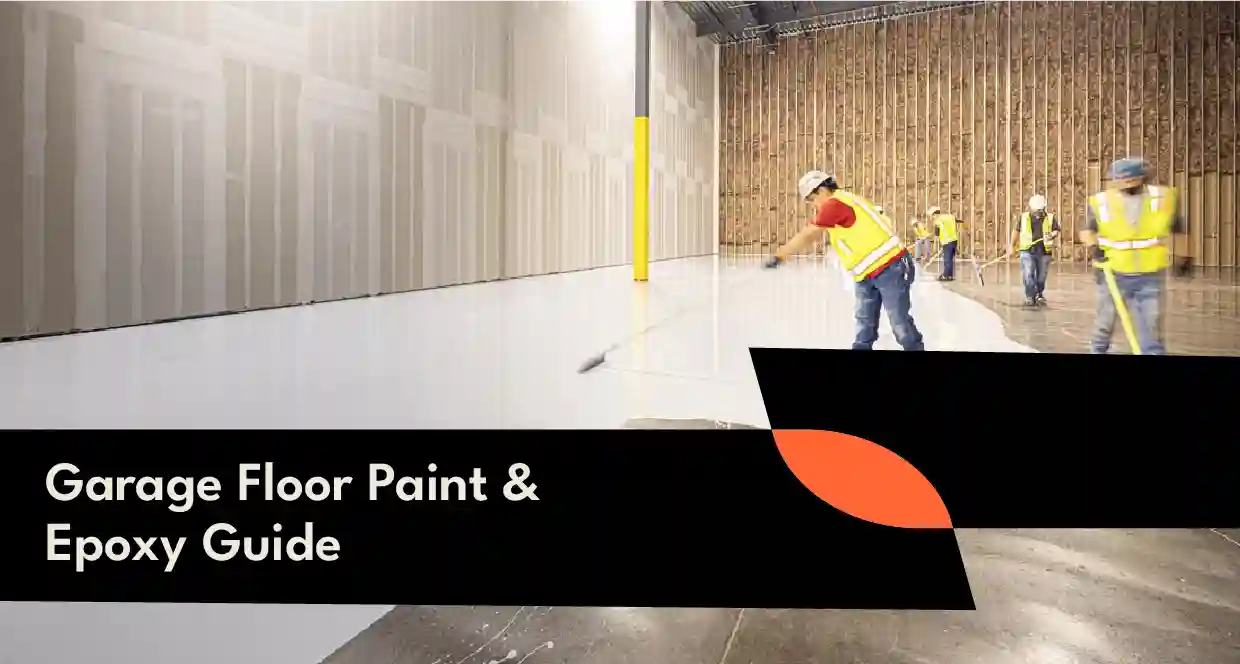
Your garage floor takes a beating. Oil drips, tire marks, dropped tools, and years of foot traffic leave it stained and worn. Garage floor paint fixes this problem. It covers cracks, resists stains, and gives your garage a clean look that is easy to maintain. But paint is not your only option. Epoxy coatings offer more strength and a longer life. This guide helps you compare both choices so you can pick the right one for your space.
Garage floor paint vs epoxy coating: what’s the difference?
| Feature | Floor Paint | Epoxy Coating |
| Cost | Lower | Higher |
| Durability | Moderate | High |
| Cure time | Faster | Longer |
| Best for | Light use garages | Heavy use garages |
Garage floor paint is a simple coating. You roll it on like wall paint. It comes in latex or oil-based formulas. Latex paint dries fast and cleans up with water. Oil-based paint lasts a bit longer but takes more time to cure. Either way, floor paint is the cheaper option. It works well for garages with light use.
Epoxy floor coating is different. It uses two parts, a resin and a hardener, mixed together before application. Once it cures, epoxy forms a hard, plastic-like layer over your concrete. This layer resists oil, chemicals, and heavy vehicle traffic far better than regular paint.
So, which one wins? It depends on your needs. If you park one car and rarely spill anything, garage floor paint may be enough. If you use your garage as a workshop or park multiple vehicles, garage floor epoxy holds up much longer. Epoxy costs more upfront, but it saves you from repainting every year or two.
Types of floor coatings
Epoxy flooring isn’t limited to a single appearance. Once you decide on epoxy floor paint, you get to choose a style.
- Standard epoxy gives you a smooth, solid color finish. It works well in garages, basements, and workshops. This is the most common and budget-friendly choice.
- Epoxy flake floor coating adds small color chips into the wet epoxy. The flakes create texture and hide small imperfections in the concrete. They also add some grip, which helps in a space that gets wet or oily. Many homeowners like flaked floors because they look like natural stone.
- Metallic epoxy floor coating is the most eye-catching option. It uses special pigments that create swirling, marble-like patterns. No two metallic floors look exactly alike. This option costs more, but it turns a plain garage into a showroom-style space.
Before you pick a style, think about how the space gets used. A workshop with heavy tool use may benefit from a flake floor because of the added texture. A garage used to show off a car collection might call for a metallic finish. For homeowners who want extra guidance before starting, this detailed epoxy garage floor coating guide from Family Handyman breaks down the process step by step and covers common mistakes to avoid.
How to paint or coat a garage floor
Applying garage floor coating is a project you can tackle over a weekend. However, skipping steps leads to peeling and bubbling later. Follow this order for the best result.
Clean the surface
Start by clearing the garage completely. Sweep the floor, then scrub away any oil stains with a degreaser. Rinse the area well and let it dry.
Etch the concrete
Etching opens up the pores in the concrete so the coating can bond properly. You can use a mild acid etching solution or a concrete etcher sold at most hardware stores. Follow the product instructions closely, since some solutions need to be diluted before use.
Repair cracks and damage
After etching, check for cracks or damaged spots. Fill any cracks with a concrete patching compound. Let the patch cure fully before moving forward. Skipping this step often causes the coating to crack again in the same spot.
Prime the floor
Once the surface is clean, dry, and repaired, apply a primer if your product requires one. Primer helps the coating stick evenly across the whole floor. Some epoxy kits include primer in the box, so check your product before buying extra.
Apply the coating
Work in small sections and use a roller for even coverage. If you are adding flakes, toss them onto the wet surface right after rolling that section. Let the first coat dry fully before adding a second coat. Most coatings need at least 24 hours between coats, and full cure time can take several days. Avoid parking a car on the floor until the coating fully cures.
If this process sounds like more than you want to handle, a professional team can manage the entire job for you. NUW Pro Painting offers concrete painting services across Melbourne, including full prep, priming, and coating for garage floors.
How much does an epoxy garage floor cost?
The price of an epoxy garage floor cost depends on a few factors. Size matters most. A larger garage needs more material and more labor time. The condition of your existing concrete also plays a role. Cracked or stained floors need extra prep work before coating.
DIY kits for a standard two-car garage typically run a few hundred dollars. This covers the epoxy, primer, and basic tools. However, DIY results vary based on your prep work and application skill.
Hiring a professional costs more, but you get a consistent finish and a warranty in many cases. Professionals also have access to industrial-grade epoxy that is not sold to the general public. This grade holds up better against hot tires and heavy equipment.
Metallic and flake finishes cost more than standard epoxy because of the extra materials and labor involved. If you want a decorative finish, expect to pay a premium over a plain solid-color floor.
Want a pro finish without the guesswork? Get a free quote for your garage floor today.
DIY vs professional epoxy flooring
Many homeowners consider DIY epoxy garage floor projects to save money. This can work well if you have the time and patience for careful prep work. The internet has plenty of guides that walk you through each step.
Keep in mind that epoxy provides very little room for error during application. If you skip the etching step or apply the coating in humid conditions, the floor may bubble or peel within months. Once this happens, you often need to grind off the failed coating and start over.
Professional installers bring experience that helps avoid these issues. They know how to read moisture levels in concrete, how to handle tricky cracks, and how to apply coatings evenly across a large space. They also work faster, since a professional crew can often finish a garage floor in a single day.
If your garage floor has major damage or if you want a flawless finish, hiring a pro makes sense. For smaller garages in decent condition, a DIY project can still deliver solid results. Either way, take time to research your coating choice and follow every prep step closely.
If you are unsure which route fits your project, reach out through our contact page, and our team can walk you through your options.
Frequently asked questions (FAQs)
Is epoxy better than regular garage floor paint?
Yes, in most cases. Epoxy floor coating resists chemicals, oil, and heavy traffic better than standard concrete floor paint. Paint is cheaper, but it wears out faster.
How long does an epoxy garage floor last?
A properly applied epoxy garage floor can last between 10 and 20 years. Lifespan depends on the coating quality, prep work, and how much traffic the floor sees.
Can I paint over old epoxy?
In many cases, yes. The old epoxy needs to be sanded or ground first so the new coating can bond. Skipping this step often leads to peeling.
How to paint a concrete floor without epoxy?
Clean the surface well, etch the concrete, repair any cracks, then apply a concrete-specific floor paint using a roller. This method costs less but does not last as long as epoxy.
Does garage floor coating need a primer?
Many epoxy kits include a primer step. Primer helps the coating bond evenly and last longer. Check your product instructions to confirm.
How long before I can park on a new epoxy floor?
Most coatings need at least three days to cure before you drive a car on them. Full cure time can take up to a week, depending on the product and weather.
Garage floor paint and epoxy both offer a way to protect your concrete and improve how your garage looks. Paint suits light use garages on a budget. Epoxy suits garages that see heavy traffic, spills, or daily wear. Either way, good prep work makes the biggest difference in how long your floor lasts.
Ready to upgrade your garage floor the right way? Book a free quote with NUW Pro Painting and get a durable, clean finish built for Melbourne garages.