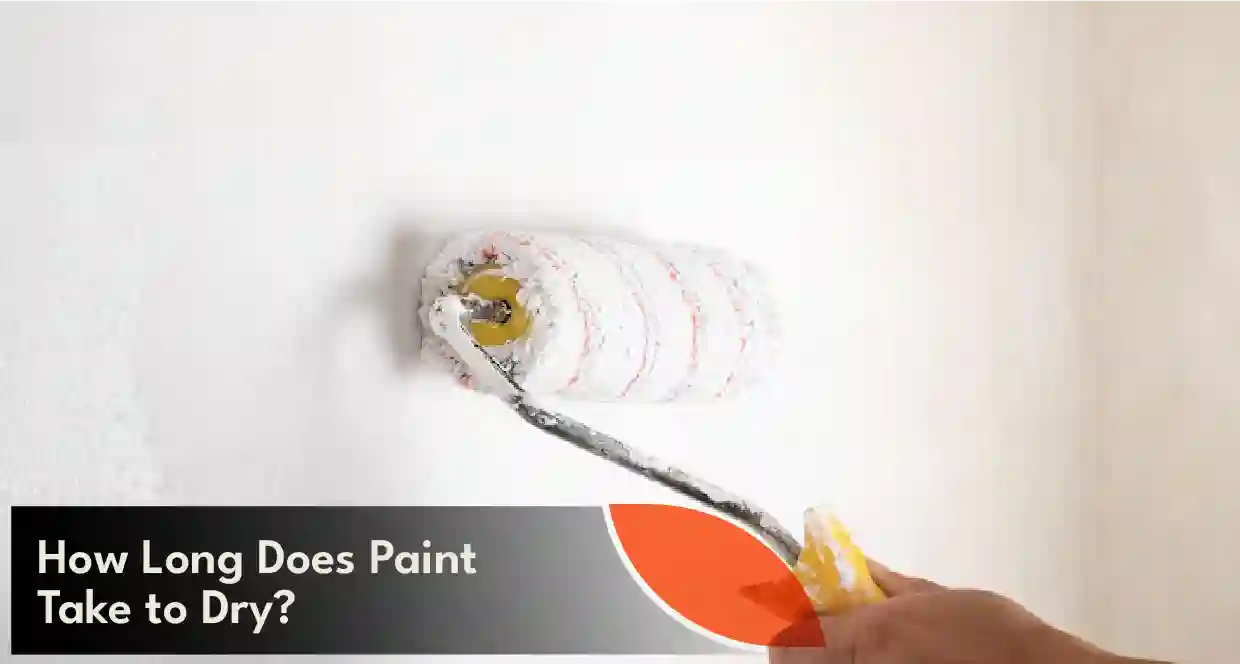
Most water-based acrylic wall paints are touch dry in 30 minutes to 2 hours and ready to recoat after 2 to 4 hours. Oil-based enamels take much longer, often 6 to 8 hours touch dry and 16 to 24 hours before a second coat, with full cure taking up to 30 days. These are typical figures at normal temperature and humidity. Always check the tin or technical data sheet. Quick takeaway: dry is not the same as cured, cold and damp Melbourne days stretch every timeline, and rushing the second coat is one of the most common painting mistakes.
Table of Contents
- Paint Drying Times at a Glance
- Dry vs Cured: Two Different Stages
- Drying Times by Paint Type
- What Slows Paint Drying
- Interior vs Exterior Paint Drying
- How to Help Paint Dry Faster
- How to Tell When Paint Is Ready for a Second Coat
- When You Can Move Furniture Back or Clean the Walls
- Frequently Asked Questions
Paint Drying Times at a Glance
Here is a quick overview of typical drying windows.
| Paint Type | Touch Dry | Recoat | Full Cure |
| Water-based acrylic | 30 min to 2 hrs | 2 to 4 hrs | Up to 30 days |
| Oil-based enamel | 6 to 8 hrs | 16 to 24 hrs | Check data sheet |
| Primer or undercoat | 1 to 2 hrs | 2 to 4 hrs | Check data sheet |
These are general ranges. The product data sheet or the back of the tin is always the final word.
Dry vs Cured: Two Different Stages
Many people assume dry means done. It does not.
Touch dry means the surface does not transfer paint onto your finger. The paint feels set but it is fragile.
Ready to recoat means you can apply the next coat without lifting or wrinkling the first. The Dulux Wash and Wear data sheet lists a 2 hour recoat time. Some painter guides allow 4 to 6 hours depending on conditions.
Fully cured means the paint film has hardened to its final strength. For water-based acrylics this can take up to 30 days. During that window the paint is more vulnerable to scuffs and stains than it looks. The wall looks fine, but it still needs gentle handling for a few weeks.
Drying Times by Paint Type
Water-based acrylic paint
Water-based acrylic is the most common paint in Australian homes. It dries by water evaporation, which makes it faster than oil-based alternatives.
Typical times: touch dry in 30 minutes to 2 hours, recoat in 2 to 4 hours, full cure up to 30 days. Low-VOC versions can dry slightly faster. Humidity and airflow have the biggest impact on how quickly these paints set.
For ceiling projects, our guide on how to paint a ceiling covers how recoat timing fits into the broader process. For tile work, our how to paint tiles guide goes into the drying steps for that surface.
Oil-based and enamel paint
Oil-based paints and solvent-based enamels are slower but produce a harder, more durable finish. Still the go-to for trim, doors and high-wear areas.
Typical times: touch dry in 6 to 8 hours, recoat in 16 to 24 hours. Applying a second coat too early is a common cause of wrinkling and lifting. When in doubt, wait longer.
Primer and undercoat
Drying times depend on whether the primer is water-based or oil-based. Water-based primers are generally touch dry in 1 to 2 hours and ready for a topcoat in 2 to 4 hours. Oil-based primers take longer. Always check the product data sheet before moving to the topcoat.
What Slows Paint Drying
Several things push drying time out further.
- High humidity: Water-based paint needs moisture to escape from the film. Damp air slows that process.
- Low temperature: Most paints have a minimum application temperature on the data sheet. Below that, drying stalls.
- Thick coats: A thick single coat dries slower and is more likely to sag. Two thin coats always beat one thick one.
- Poor ventilation: Still air traps moisture and slows drying.
- Porous or unsealed surfaces: Paint soaks in unevenly, which affects how the film sets.
Melbourne winters tick most of these boxes at once. Cool temperatures, damp air and closed-up homes can double the expected drying time. Budget extra time between coats. If mould is part of the equation, sort that before you start. Our guide on how to paint mould-affected walls covers the right prep steps.
Interior vs Exterior Paint Drying
Indoor painting gives you more control. Open windows, run a fan or use air conditioning to keep air moving.
Exterior painting is weather-dependent. A warm, dry Melbourne day is ideal. Avoid painting if rain is likely within 24 hours. Direct hot sun on the wall can cause problems too, drying the surface too fast and causing blistering.
Walls on south-facing or shaded sides stay cool longer. Check the minimum application temperature on the data sheet and plan your day around it.
How to Help Paint Dry Faster
You cannot cheat drying time, but you can help it along.
- Open windows and doors to get air moving.
- Use a fan to increase airflow but do not point it directly at wet paint. Keep it at a distance so it circulates air around the room.
- Apply thin coats. A thin coat dries more evenly than a thick one. If you need more coverage, wait for the first coat to be properly ready before applying the second.
- Avoid painting in high humidity or very cold conditions if possible.
- A dehumidifier helps in humid rooms. A heater warms the space but keep direct heat away from wet paint.
Waiting the full recoat time on the tin is the most effective thing you can do.
How to Tell When Paint Is Ready for a Second Coat
Check the tin or data sheet first. The recoat window is printed on every can.
If you do not have it, try this. Touch a small hidden spot lightly with one finger. If paint comes off, it is not ready. If it feels firm, scan the wall for wet-looking or glossy patches. When the surface looks and feels uniform, you are good to go.
Waiting an extra hour costs nothing. Applying too early can wreck the job.
When You Can Move Furniture Back or Clean the Walls
Dry to the touch is not ready for contact. The cure window for water-based acrylics runs up to 30 days. During that time, avoid leaning furniture against walls, scrubbing surfaces or using abrasive products. If you need to clean, use a damp cloth and be gentle.
For kitchen cabinets, cure time matters before you start opening and closing doors. Our guide on how to paint kitchen cabinets covers that in detail.
Before any paint job, get quantities right. Our guide on how much paint you need stops you running short or overbuying. Rather leave it to someone else? Our interior painters in Melbourne are ready to help.
Frequently Asked Questions
How long should I wait before applying a second coat of paint?
For water-based acrylic paint, wait at least 2 to 4 hours. For oil-based paint, wait 16 to 24 hours. Always confirm on the product data sheet, as times vary between brands and formulas.
How long does paint take to dry in winter in Melbourne?
Longer than the tin suggests. Cold temperatures and damp air both slow drying. Check the minimum application temperature on the data sheet before you start. Add extra time to every drying window and never rush the recoat.
Can rain ruin freshly painted exterior walls?
Yes. Rain on wet exterior paint causes water marks, streaks and an uneven finish. Avoid painting if rain is expected within 24 hours. Check the product data sheet for guidance on your specific paint.
Will a fan or heater make paint dry faster?
A fan helps by keeping air moving around the room. Place it at a distance, not directly at the wet wall. A heater warms the space, which helps water-based paint dry more efficiently. Do not apply direct heat to a wet surface.
How long until the paint smell goes away?
For water-based acrylics, the smell fades within a day or two with good ventilation. Oil-based products take several days. Keep windows open and run fans to clear the air. Low-VOC paints produce far less odour from the start.