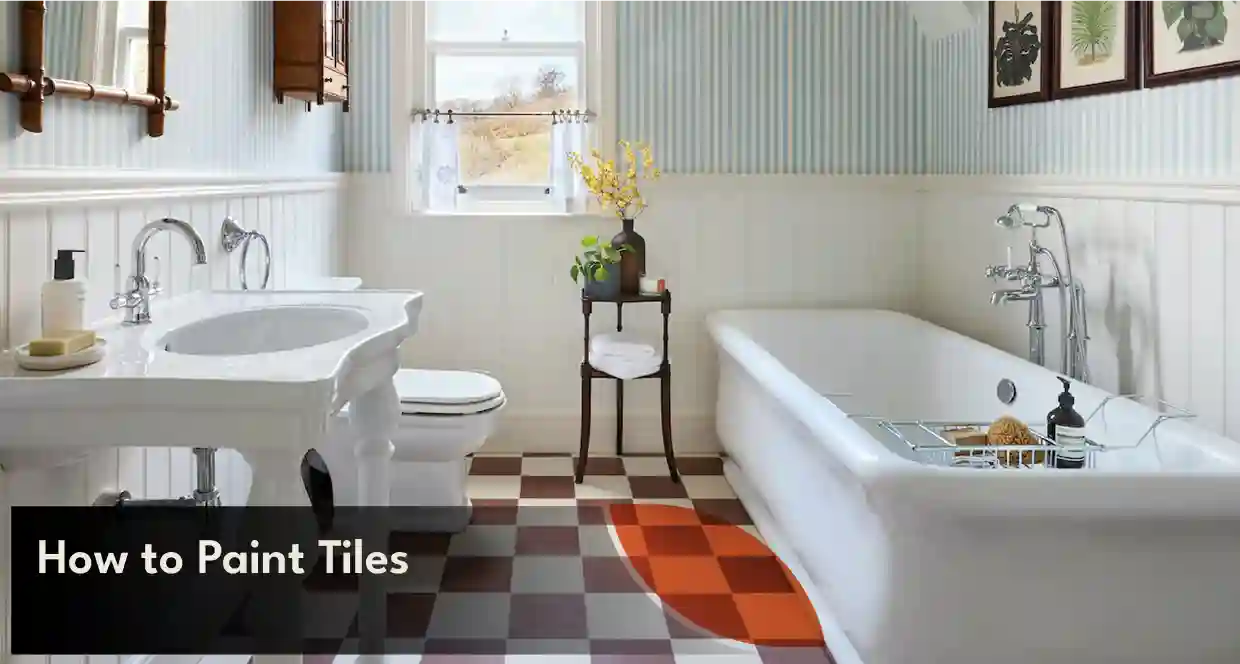
Tired of dated tiles but not keen to rip them out? Same. Painting over tiles is one of the cheapest glow-ups in a home. Done right, it looks fresh and lasts. Done wrong, it peels in a month. This guide covers the right tile paint, the prep, the steps and the mistakes we see in Melbourne homes all the time. Let’s make your bathroom or kitchen look new.
Does tile paint actually work?
Yes, when you prep properly. The paint rarely fails on its own. Bad prep does. Tiles are glossy and slick, so paint needs help to grip. That is where cleaning, sanding and an adhesion primer come in.
Where it holds up
- Kitchen splashback tiles
- Bathroom wall tiles outside the shower
- Laundry walls
- Fireplace surrounds
- Low-traffic floor tiles
Where it fails
- Shower floors and other wet zones
- Busy floor tiles that cop heavy feet
- Cracked tiles or tiles that sound hollow
- Tiles that are damp or already peeling
Older Melbourne homes often have tiles with hairline cracks. Check before you start.
Water exposure is the big enemy. In wet zones, painted tiles chip first. If you need something tougher there, jump to the microcement section below.
What you’ll need
- Tile paint, like Dulux Renovation Range tile and benchtop paint or Rust-Oleum tile paint
- Adhesion primer or etch primer
- Degreaser and sugar soap
- Fine sandpaper
- Grout repair product
- Small foam roller and a good brush
- Painter’s tape and drop sheets
- Gloves and a mask
Epoxy tile paint is tougher, but it is a two-part product and smells strong. Open the windows and read the tin.
Buying gear adds up fast. Pros often price tile jobs by the square metre, and the rate depends on prep, tile type and number of coats.
How to prep tiles properly
Prep is most of the job. Skip it and you will be repainting.
Degreasing and sugar soap
Kitchens are greasy. Bathrooms are full of soap scum. Paint hates both. Scrub the tiles with degreaser, then wipe them with sugar soap. Rinse well and let everything dry fully. Got mould? Treat it first. Wear gloves too, because sugar soap dries out your hands.
Sanding and etch priming
Glossy tiles need a rough surface. Lightly sand each tile. You only want to dull the shine, not carve grooves. Wipe off the dust. Then roll on an etch primer or adhesion primer. This primer paint bonds to slick surfaces, so the tile paint has something to grab. A sanding sponge works well in tight corners. Let it dry as the tin says.
Repairing grout first
Fix loose or cracked grout before you paint. Scrape out the bad bits, refill and let it cure. Painting over crumbling grout just locks the problem in. Grout also soaks up water, so let it cure fully before priming. Ignore this step and your tiles will look great for about five minutes.
How to paint tiles step by step
Cutting in and keeping a wet edge
Start with the edges and corners. Painters call this cutting in. Use a small brush around tape, taps and fixtures. Use a fresh brush, because cheap bristles leave marks. Then roll the flat parts with a foam roller. Keep a wet edge, which means always overlapping into paint that is still fresh. It stops streaks and lap lines. The technique is the same as when you paint a room, so our how to paint a room guide is a solid pick for general painting technique.
Work in small sections. Thin coats beat thick coats every time. They also cure faster and look smoother.
Coats and curing time
- Apply primer and let it dry.
- Roll on a thin first coat.
- Wait for the recoat time on the tin.
- Add the second coat.
- Add a third if the old colour still shows.
- Let it cure.
Dry is not cured. Paint can feel dry in hours but take days to harden. Many products need about a week before heavy water contact. No showers, no scrubbing, no bumping until then.
Colour ideas? A white colour looks clean and bright, but shows soap scum. A grey colour hides marks well. A deep charcoal like monument colour looks moody on a splashback. Test a small patch first. Pick a colour you can live with for years. Trends fade fast.
How long does tile paint last?
It depends on where the tiles are. Here is the rough guide:
- Kitchen splashback: Lasts several years with gentle care
- Bathroom walls: Good if the room is ventilated
- Shower walls: Wears out sooner
- Floor tiles: Chips first
Melbourne winters mean closed windows and damp bathrooms. Run the fan. Fix any leaks. Use non-abrasive cleaners. A clear sealer can add extra protection too.
Tile paint vs re-tiling vs microcement
| Option | Cost | Time | Durability | Best for |
| Tile paint | Lowest | Days | Fair | Splashbacks, dry walls |
| Re-tiling | Highest | Weeks | Best | Full renovations |
| Microcement | Mid to high | Days | Strong | Wet areas, floors |
Microcement over tiles is possible, and it gives a seamless look with no grout lines. It costs more than paint, but it handles water far better. Re-tiling is the gold standard, but you pay for it in cost, dust and downtime. Think of microcement as an alternative when a shower floor keeps chipping.
Other finishes get mixed up here too. Venetian plaster is a polished wall finish, not a wet floor fix. Concrete paint is for concrete floors and patios. Exterior paint and fence paint are made for outdoors, and acrylic render is for outside walls. None of these grip glazed tiles like proper tile paint does. Want to see what else we do? Browse other wall finishes on our services page.
Common tile-painting mistakes
- Skipping the clean and the sand
- Skipping the primer
- Using normal wall paint
- Rolling on thick coats
- Rushing the cure time
- Painting over damp or mouldy tiles
- Ignoring cracked tiles and grout
Wall paint is not made for wet, slick surfaces. It will peel.
Most tile jobs fail because of one of these. Almost none fail because of the brand.
Frequently asked questions (FAQs)
Is painting over tiles a good idea?
Yes, for dry and low-traffic spots like splashbacks. Skip it for shower floors, where water sits and wears paint down.
Does tile paint really work?
Yes, if you clean, sand and prime first. Without prep, it peels. With prep, it can look great for years.
How long will tile paint last?
Several years on splashbacks and dry walls. Wet zones and floors wear out sooner.
What is the best tile paint in Australia?
Dulux Renovation Range and Rust-Oleum are popular picks. Epoxy tile paint is tougher in wet areas. Match the product to the room.
Can you paint shower tiles?
You can, but it is the hardest spot. Use an epoxy product, let it cure fully and expect a shorter life.
Can you paint floor tiles?
Yes, in low-traffic rooms. Use a floor-rated paint and a clear sealer.
Do you need to sand tiles before painting?
Yes, a light sand helps. Some products say no sanding, but you still need to clean and prime.
Can you paint grout?
Yes. Fix the grout first, then paint it with the same tile paint or a grout paint.
Need a hand with your tiles?
Painting tiles is doable, but it is fiddly. NUW Pro Painting handles bathroom tile makeover jobs, and we price by the square metre. Searching for “painters near me”? We work across Melbourne. Explore our painting services or check our kitchen painting service. Redoing the splashback? Think about painting the cabinets too, and read our guide to painting kitchen cabinets. Want more tips? Read more on our blog. Ready to start? Get a free quote or click here to book.