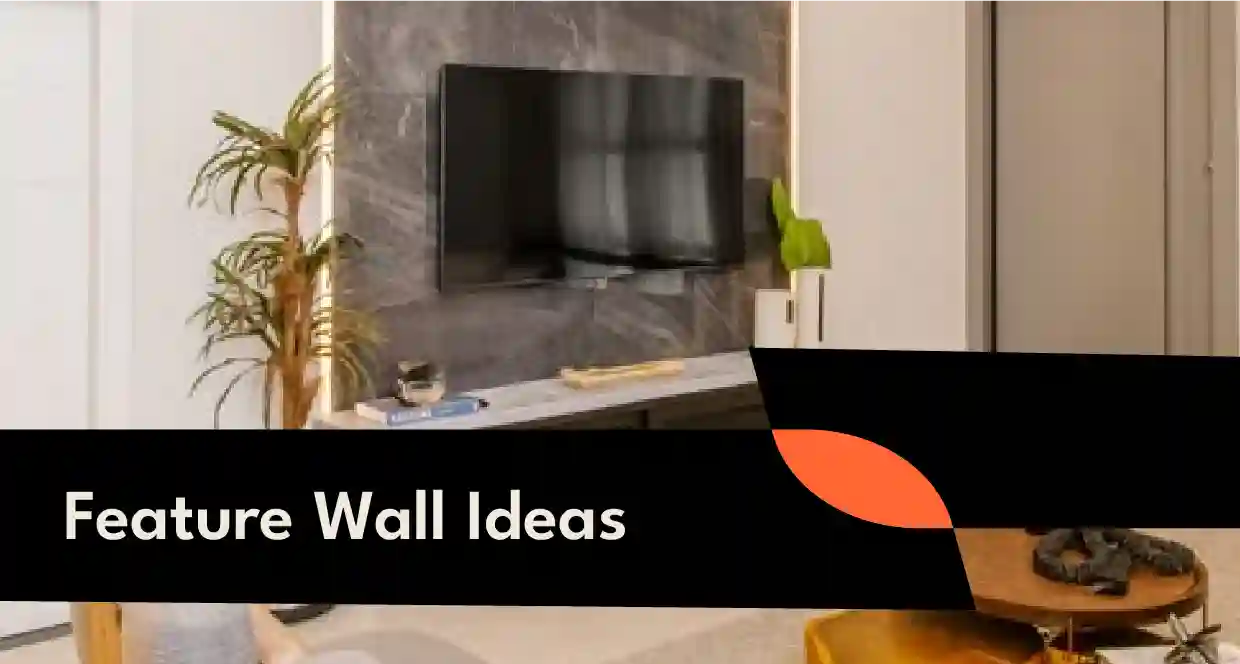
Sometimes one wall is all it takes. A feature wall can turn a plain, forgettable room into something people actually notice. It’s one of the easiest ways to add personality to your home without repainting everything or spending a fortune.
This guide covers what a feature wall actually is, where to put one, ideas by room, and how to pick the right colour and finish. Whether you’re going bold or keeping it subtle, there’s a feature wall idea here for you.
We’ll walk through where to place a feature wall, the best ideas for each room in your home, the difference between paint, wallpaper, and timber, and how to actually paint one yourself if you’re keen to DIY it.
What is a feature wall and where should it go?
A feature wall is a single wall in a room that’s treated differently from the rest. It might be a bold colour, a different texture, wallpaper, or even timber panelling. The goal is to draw the eye and create a focal point.
Not every single wall really makes a good feature wall. Here’s what to look for when choosing one:
- The largest uninterrupted wall: Walls with too many doors or windows don’t work as well.
- The wall behind a key piece of furniture: Think the wall behind your bed, sofa, or dining table.
- A wall you naturally look at first: When you walk into the room, whichever wall catches your eye first is usually the best pick.
- A wall without too much clutter: Feature walls work best when they’re not covered in shelves or artwork.
A good feature wall should feel like it belongs, not like it was added as an afterthought. It should tie in with the rest of the room’s colours and style, just with a bit more personality.
It’s also worth thinking about sightlines. If you’re standing in the doorway of a room, whichever wall is directly in your line of sight is usually the strongest option for a feature wall. This is why the wall behind a bed or sofa often works so well. It’s the first thing you see when you walk in.
One common mistake is choosing a wall just because it’s empty. An empty wall isn’t always the right wall. Look at the whole room first, think about where your eye naturally lands, and go from there.
Feature wall ideas by room
Every room has different needs when it comes to a feature wall. What works in a bedroom might not work in a hallway. Here’s a breakdown by space.
Living room, bedroom, hallway & entryway
Living room feature walls are usually the boldest, since it’s a space for entertaining and relaxing. Popular living room feature wall ideas include:
- A deep charcoal or navy wall behind the TV unit
- A textured limewash finish for a softer, more organic look
- Timber panelling for warmth and a bit of luxury
- A bold accent colour like terracotta or forest green
Bedroom feature walls tend to be calmer, since bedrooms are meant to be relaxing spaces. A bedroom feature wall behind the bed is one of the most popular choices, and for good reason. It creates a cosy, hotel like feel without overwhelming the room. Popular choices include:
- Soft sage or olive green
- Warm terracotta or clay tones
- Deep navy for a moody, luxe feel
- Wallpaper with a subtle pattern
Hallway feature walls are a great way to make a boring, narrow space feel more interesting. Since hallways don’t usually have much furniture, the wall itself becomes the star. Bold colours, gallery style wallpaper, or even textured finishes work really well here.
Entryway feature walls set the tone for your whole home. This is the first thing guests see, so it’s worth making an impression. A bold colour, a timber slat wall, or a statement wallpaper can all work well in an entryway.
Here’s a quick comparison table for feature wall placement by room:
| Room | Best Placement | Popular Style |
| Living room | Behind TV or sofa | Bold colour, timber |
| Bedroom | Behind the bed | Soft colour, wallpaper |
| Hallway | Longest wall | Bold colour, pattern |
| Entryway | First wall you see | Statement colour, timber slats |
Paint vs wallpaper vs timber feature walls
There are three main ways to create a feature wall: paint, wallpaper, or timber. Each has its pros and cons.
Paint feature walls are the easiest and most affordable option. They’re also the easiest to change later if you get tired of the colour. Paint works well for almost any room and any style.
Wallpaper feature walls add texture and pattern that paint simply can’t achieve. They’re great for adding personality, especially in bedrooms and hallways. The downside is that wallpaper can be trickier to install and more expensive to remove or update later.
Timber feature walls bring warmth and texture into a space. Timber slat walls have become especially popular in recent years, often paired with a dark or neutral colour palette. They work particularly well in living rooms and entryways, adding a bit of a luxury hotel feel.
Here’s a simple breakdown:
- Paint: Affordable, easy to change, huge range of colours
- Wallpaper: Adds pattern and texture, more expensive, harder to remove
- Timber: Adds warmth and depth, more expensive, longer lasting
If you’re not sure which option suits your space, paint is usually the safest place to start. It’s low risk, and if you don’t love it, it’s simple to repaint.
Best colours for a feature wall
Choosing the right feature wall colour depends on the mood you want to create. Some colours feel bold and energetic, while others feel calm and cosy.
Popular feature wall colours right now include:
- Charcoal: Bold, modern, and works in almost any room.
- Sage green: Calming and versatile, great for bedrooms and living rooms.
- Terracotta: Warm and earthy, adds a cosy feel.
- Navy blue: Deep and moody, great for a luxe, hotel style look.
- Warm white or cream: A subtle option if you want texture over colour.
If you want a dark feature wall but you’re worried it’ll feel too heavy, balance it out with lighter furniture, curtains, and decor in the rest of the room. Dark feature walls can actually make a room feel more spacious when paired with good lighting, since they create depth rather than flatness.
For a softer, more subtle look, warm neutrals or muted greens are a great choice. They add just enough contrast without overwhelming the space.
It’s also smart to think about undertones. A feature wall colour should share some connection with the rest of the room, even if it’s much bolder. For example, if your room has warm timber floors, a warm charcoal or terracotta feature wall will feel more connected than a cool, blue toned grey.
Testing your colour choice is just as important for a feature wall as it is for the rest of your home. Paint a sample patch and look at it at different times of day before committing to the full wall.
How to paint a feature wall
Painting a feature wall isn’t much different from painting a regular wall, but a few extra steps help get a sharp, professional finish.
Here’s a simple step by step process:
- Clean the wall: Remove dust, cobwebs, and any marks before you start.
- Fill any holes or cracks: Use filler and sand it smooth once dry.
- Tape off edges: Protect skirting boards, ceilings, and adjoining walls with painter’s tape.
- Apply primer if needed: This is especially important if you’re going from a light colour to a dark one.
- Paint two coats: One coat is rarely enough for full, even coverage.
- Let it dry fully between coats: Rushing this step can lead to patchy results.
- Remove tape carefully: Pull tape off at a slight angle while the paint is still slightly wet for the cleanest lines.
If you’re doing a textured finish like limewash, the process is a bit different and usually takes a specific technique to get right. This is where hiring a professional painter can really pay off, especially for trickier finishes.
Love one of these? Get a free quote and let our team bring your feature wall idea to life. Book an Appointment.
Frequently asked questions (FAQs)
What is the best colour for a feature wall?
It depends on the room and mood you want. Charcoal and navy work well for bold, modern looks. Sage green and terracotta suit calmer, cosier spaces.
Should a feature wall be darker or lighter than the rest of the room?
Usually darker. A feature wall works best when it stands out from the surrounding walls, so a bolder or deeper colour tends to work better than a lighter one.
Can I have more than one feature wall in a home?
Yes, but it’s best to keep them in separate rooms rather than the same space. Too many feature walls in one room can feel busy and take away from the impact you’re going for.
Do feature walls make a room look smaller?
Not necessarily. When done well, a feature wall can actually add depth and make a room feel more dynamic and interesting rather than smaller or cramped.
How much does it cost to paint a feature wall?
Costs vary depending on the size of the wall, the paint quality, and whether it’s a simple colour or a textured finish like limewash. A professional painter can give you an accurate quote based on your space, wall condition, and chosen finish.
How do I know if a feature wall will suit my home?
If you have a room with a strong focal point, like a bed, sofa, or fireplace, a feature wall almost always works. Rooms with lots of windows and doors can be trickier, so it helps to get advice from a professional painter first.
Ready to add a feature wall to your home? Check out our Interior Painting services or browse our Projects for real feature wall transformations we’ve completed on homes just like yours.