Dulux Natural White is a soft, warm white that sits at the light end of the Dulux warm range. Dulux calls it the lightest of its warm whites, and it has an LRV of 85. That makes it a smart pick for rooms that want warmth without sliding into cream. It can misbehave, though. In a south-facing or dim room, a warm white often reads yellow.Here are the key takeaways:
It has a warm undertone, with a soft apricot or yellow cast.It has an LRV of 85, so it reflects plenty of light.Always test a sample pot on your own wall in morning and evening light.
What Is Dulux Natural White?Dulux lists Natural White under whites and neutrals. Its colour code is SW1F4, the chip number is 15W, and the hex value is #eeece5. Dulux says it suits main walls inside and out, plus exterior features.Painters like it because it’s easy to live with. It brightens a room, yet it keeps a gentle softness that stark whites often lack. That’s why people use it in living rooms, hallways and bedrooms.If you’re still choosing an overall palette, the best paint colours for Australian homes cover the wider trends. Here, we’ll stay with Natural White itself.Undertone and LRV: What You Will See on the WallThe warm undertoneSources don’t fully agree on this one. A designer blog describes a soft apricot warmth, while another colour review sees a subtle yellow. So it’s fair to say Natural White is warm, with a soft apricot or yellow cast depending on the light.Context matters too. Next to a crisp white, it looks creamier. Next to a cool grey, it looks warmer. Because of that, a sample pot is the only reliable answer.What an LRV of 85 meansLRV stands for light reflectance value. The scale runs from 0 (black) to 100 (pure white), so 85 is high. In practice, the paint bounces most of the light back into the room.Dulux also lists a solar absorptance of 0.204. That figure mostly matters outdoors, because it relates to how much heat a surface takes in. You can check all the official figures on the Dulux Natural White page.How Natural White Looks in Different LightLight changes everything with warm whites. In Melbourne, room aspect and the season both shift what you see. The table below shows what you might notice.Room typeWhat you may seeNorth facingWarm, bright and welcoming. It usually looks softest here.South facingCooler light can pull out a yellow or greyish look. Test carefully.Low light roomsThe warmth can turn heavier, so it may read slightly yellow.Evening, artificial lightWarm globes can push it creamier. |
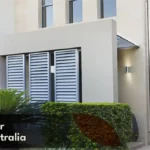
These are general patterns, not promises. Your windows, floors and neighbouring walls all play a part.Where Natural White Works BestWalls, ceilings and trimsOn walls, it gives a calm backdrop that suits most furniture. On ceilings, some painters go a touch lighter, but using the same colour keeps the look gentle and even. For trims, a slightly crisper white such as Casper White can add subtle contrast.Prep and cutting in make a big difference with whites, since they show every flaw. If you’d rather leave that to a crew, interior painters in Melbourne can handle it.Exteriors and feature trimsDulux says Natural White suits exteriors. A designer source, on the other hand, finds it works best as trim, or where aspect and scale allow. Both views make sense.On a large facade, a light colour looks stronger in full sun. On trims, fascias and window frames, it tends to behave better. It can also sit nicely beside Colorbond roofing, and the Colorbond Monument colour guide shows how that pairing works.Colours That Pair Well With Natural WhiteDulux suggests Tranquil Retreat and Timeless Grey as partners. Designers also like it with oak floors and travertine, since the warmth ties everything together.PairingWhy it worksTranquil RetreatA calm, muted partner that keeps the room soft.Timeless GreyAdds depth without a harsh jump.Oak floorsThe warm tones echo each other.TravertineNatural stone suits the gentle undertone. |
Natural White also makes a quiet backdrop for bolder accents. If you want one standout wall, these feature wall ideas work well against a warm white.Natural White vs Other Dulux WhitesDulux groups its whites into cool, neutral, and warm. Natural White sits in the warm group. Dulux lists Snowy Mountains Half, Casper White Half and Casper White as similar colours. Many people also compare it with Lexicon Quarter.Those alternatives often look a little cleaner or less warm. Still, the gap can be small, and it changes with lighting. Put them side by side on the wall before you decide.Choosing a Sheen for Natural WhiteLow sheen is a common choice for walls. It hides small flaws and keeps the soft, calm look. Higher sheens suit trims, doors, and kitchens, because they wipe clean more easily.Keep in mind that sheen changes how a colour reads. A glossier finish can look slightly brighter and sharper than the same colour in low sheen.How to Test Natural White Before You CommitDulux sells sample pots, so you can try the colour cheaply. Here’s a simple way to do it:Paint a large patch, at least A3 size, on two different walls.Apply two coats and let them dry fully.Check the patches in the morning, afternoon, and evening.Hold them next to your trims, floors and curtains.
Once you’re happy, work out your quantities. A guide on how much paint you need helps you avoid running short or overbuying.Frequently Asked QuestionsIs Dulux Natural White a warm or cool white?It’s a warm white. Dulux calls it the lightest of its warm whites.What is the LRV of Dulux Natural White?The LRV is 85, according to Dulux. That’s a high value, so it reflects plenty of light.Can you use Dulux Natural White on the outside of a house?Yes, Dulux says it suits main walls outside and exterior features. Some designers prefer it on trims, so test it in your own aspect first.What colour goes with Dulux Natural White?Dulux suggests Tranquil Retreat and Timeless Grey. It also looks good with oak floors and travertine.Is Dulux Natural White too yellow?It can look yellow in some rooms, especially south-facing or low-light ones. In others, it reads soft and apricot. A sample pot will tell you before you commit.