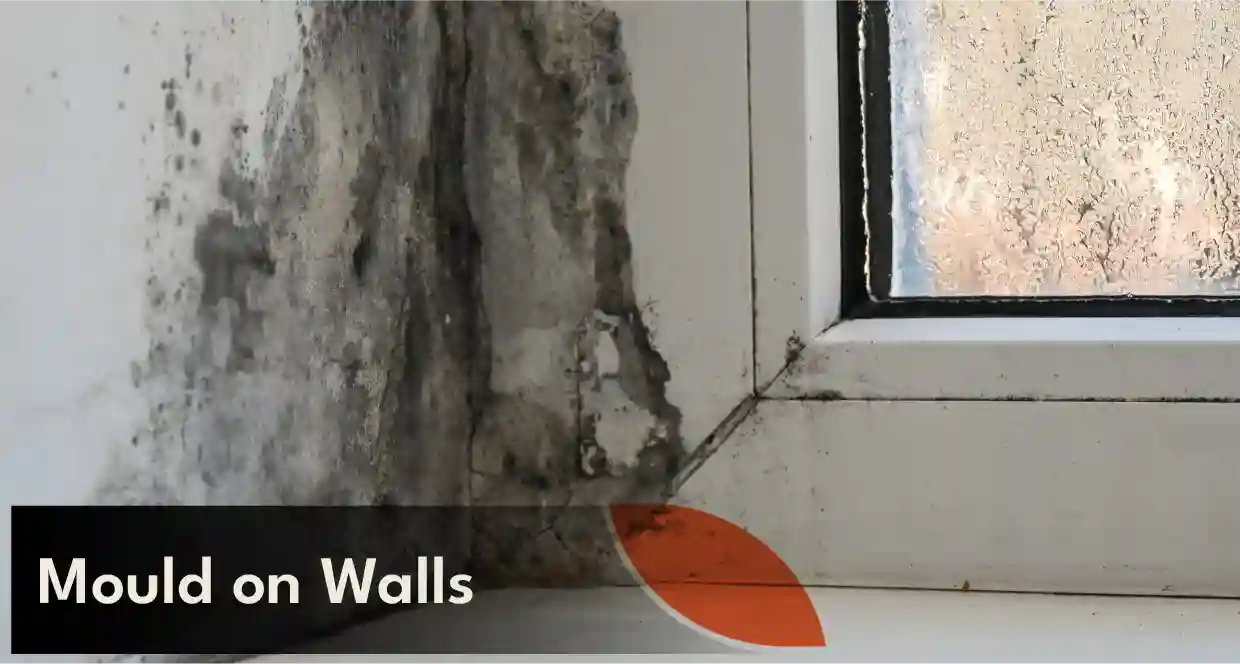
Mould on walls is a common problem in Melbourne homes, especially after a cold, damp winter. You wipe it off, the wall looks fine for a few weeks, and then the dark spots creep back. That usually means the cleaning worked, but the cause didn’t get fixed. This guide shows how to get rid of mould on walls for the long haul, and how to repaint so it’s less likely to return.
Why mould grows on walls
Mould needs moisture. Give it a damp surface, a bit of dust and some paint, and it’ll settle in.
Most wall mould in Melbourne homes comes from one of these:
- Condensation from showers, cooking, and washing dried indoors
- Poor airflow in bathrooms, laundries and wardrobes
- Leaks from roofs, pipes or window seals
Winter makes it worse. Windows stay shut, walls stay cold, and warm indoor air turns to water when it hits them. That’s why bathroom ceilings and corners behind furniture often go first.
Mould or just a stain?
Not every dark mark is mould. Before you buy anything, take a minute to check.
| Mould | Dirt or stain | |
| Colour | Black, green, grey or white | Brown, yellow or grey |
| Smell | Musty or earthy | Usually none |
| Texture | Fuzzy or speckled | Flat |
| After wiping | Comes back in days or weeks | Stays gone |
White mould on walls is easy to miss. It can look like chalky paint or salt marks. If the patch smells musty and sits on a damp wall, treat it as mould.
How to remove mould from painted walls
Fix the moisture problem first. Better Health Channel says to check for roof and plumbing leaks before you clean, and that makes sense. Clean over a leak, and the mould will be back.
What you need
- P2 face mask, rubber gloves and safety glasses
- Spray bottle, bucket and soft cloths
- White vinegar and mild detergent
- Drop sheets
Health authorities generally advise that children, pregnant people, and anyone with asthma or a weak immune system stay away while you clean.
Steps
- Open windows and doors so air can move.
- Put on your mask, gloves, and glasses.
- Mist the mould lightly. Never dry brush it, because that sends spores into the air.
- Wipe gently with a soft cloth. Start on clean paint and work toward the mould.
- Wipe again with clean water, then dry the wall with a fan or heater.
- Bag the cloths and wash your hands.
Check the spot after a day or two. If dark patches show up again, the wall is probably still damp.
Vinegar, bleach or mould remover?
Does vinegar kill mould on walls? It can help. NSW Health’s mould fact sheet covers cleaning options, and a mix of four parts vinegar to one part water is a common recommendation for mouldy surfaces. It’s gentle on most paint, too.
What kills mould on walls depends on the wall, so here’s a quick comparison.
| Option | Works best on | Watch out for |
| Vinegar and water | Painted walls and ceilings | Strong smell for a few hours |
| Mild detergent and water | Light surface mould | May leave a faint stain |
| Bleach solution | Sealed tiles and glass | Can fade paint and may not reach into plasterboard |
| Shop-bought mould remover | Stubborn patches | Follow the label and keep the room ventilated |
Never mix bleach with vinegar. The two can create a toxic gas. Pick one product and stick with it.
Bleach also deserves a caution. On a porous wall, it can lighten the stain without clearing the mould underneath. That’s why the patch seems to vanish, then reappear.
Stopping it from coming back
Cleaning is only half the job. Moisture control does most of the work.
- Run the exhaust fan during every shower and for around 20 minutes after.
- Make sure the fan vents outside, not into the roof space.
- Wipe condensation off windows and tiles in the morning.
- Leave a gap between furniture and external walls.
- Dry washing outside when you can.
- Heat rooms evenly in winter instead of in short bursts.
- Repair leaks and failed seals quickly.
A small dehumidifier can help in a closed-up bedroom or laundry. It won’t fix a leak, though.
Repainting after mould
Can you paint over mould? We’d say no. Paint covers it for a while, but the mould keeps growing underneath. It can show through or make the new coat flake.
Here’s the order we follow on a job:
- Clean the wall as above.
- Let it dry fully. This can take a few days in winter.
- Sand any flaking or glossy paint.
- Spot prime with a stain-blocking primer.
- Apply two coats of mould-resistant paint.
Ceilings need extra care because roller marks show up in bathroom lighting. Our guide on how to paint a ceiling like a pro walks through the technique, so we won’t repeat it here.
Best paint for bathrooms
The best paint for a bathroom ceiling or wall is one made for wet areas. Look for a label that says mould resistant. Most of these paints contain an additive that slows mould growth on the paint film.
Keep expectations realistic. No paint stops mould in a bathroom with poor airflow. It gives you a better chance, not a guarantee. Always check the manufacturer’s product page and label for current details before you buy.
If you’re working out how to paint a bathroom, start with the ceiling, then the walls, then the trims. Sheen matters too. Satin or semi-gloss finishes wipe clean more easily than flat paint, while flat is common on ceilings because it hides flaws.
Got tiles in the same room? Read our full guide to painting tiles before you start.
When to call a professional
DIY works for small patches. Some jobs are better left to someone with the right gear.
Call for help if:
- The mould covers more than about a square metre.
- It keeps returning after you’ve fixed the airflow.
- You can smell it but can’t see it, which can mean it’s inside the wall or ceiling.
- Water damage has softened or bubbled the plasterboard.
- Someone in the home has asthma or a weakened immune system.
A plumber or builder may need to fix the leak first. After that, our team can handle the prep and repaint through our interior painting services.
Frequently asked questions
How do I get rid of mould on walls permanently?
Fix the moisture first, then clean, dry, prime, and repaint. Nothing is guaranteed forever, but good airflow keeps it away longer.
Does vinegar kill mould on walls?
It can clean mould from painted walls, and it’s a common recommendation. Test a small patch first, especially on dark paint.
Can you paint over mould?
It’s not a good idea. Paint hides the patch, but mould can keep growing and show through later.
What paint stops mould in a bathroom?
A mould-resistant bathroom paint helps slow it down. It works best alongside a working exhaust fan.
Why does mould keep coming back on my walls?
Usually, the wall is still getting damp. Check for leaks, condensation, and blocked vents.
Need mould-damaged walls repainted?
Cleaned the wall and ready to repaint? NUW Pro Painting can prep, prime, and paint it properly. Send us a message through our contact page or call 0478 782 077 for a free quote.